The At-Home Approach That Helped Reduce My Lymphedema Swelling
8/17/20262 min read


You can do everything right and still watch your limb swell by evening. That can make your own body feel strangely unfamiliar.
Lymphedema happens when lymph fluid cannot move normally through damaged or missing lymph vessels. The fluid collects in nearby tissues, creating swelling, heaviness, tightness, or aching. Your lymphatic system does not have a heart-like pump. It relies heavily on muscle movement, breathing, and pressure changes.
That makes gentle movement one of the most useful things you can do at home. Walking, ankle pumps, hand opening and closing, and gentle range-of-motion exercises can help your muscles move fluid through working lymph pathways. Start slowly and avoid exercises that increase pain or swelling.
Deep abdominal breathing can also support lymph movement. Your diaphragm changes pressure inside your chest and abdomen as you breathe. Try several slow breaths while relaxing your shoulders. Let your abdomen expand gently during each inhale.
Elevation can help too, especially when swelling builds after standing. Raise the affected limb comfortably above heart level when practical. Avoid positions that cause numbness, tingling, or discomfort. Elevation does not repair damaged lymph vessels, but it can help fluid move away from congested tissue.
Your skin deserves attention every day. Swollen skin can become stretched and more vulnerable to small cracks. Keep it clean and moisturized, and protect it from cuts, burns, insect bites, and irritation. Treat even small wounds promptly because infection can worsen lymphedema.
Gentle movement, breathing, elevation, and skin care work best as consistent habits. They support fluid movement and reduce complications without asking your body to tolerate aggressive techniques.
There is one important distinction, though. Lymphedema is not ordinary water retention. Diuretics generally do not address the underlying lymphatic problem, and random “detox” approaches cannot rebuild damaged lymph vessels.
The most helpful at-home routine supports the lymphatic system rather than trying to force swelling away.
That distinction matters because lymphedema can change over time. Persistent swelling may cause tissues to become firmer and less flexible. Skin changes can also develop, and repeated infections can create additional problems. New or rapidly worsening swelling deserves medical assessment rather than another experiment at home.
Home care can make a meaningful difference, but it has limits. The right approach depends on where your lymphatic system has been affected, how advanced the swelling is, and whether complications exist.
I eventually realized that managing swelling was not only about finding another trick. I wanted to understand what actually changed for someone living with the same daily frustration, especially when ordinary advice had reached its limits. That experience showed me how different things can look when you finally understand the problem from another angle.
My Granddaughter Was Embarrassed of Me. Eleven Steps Was All I Could Walk.
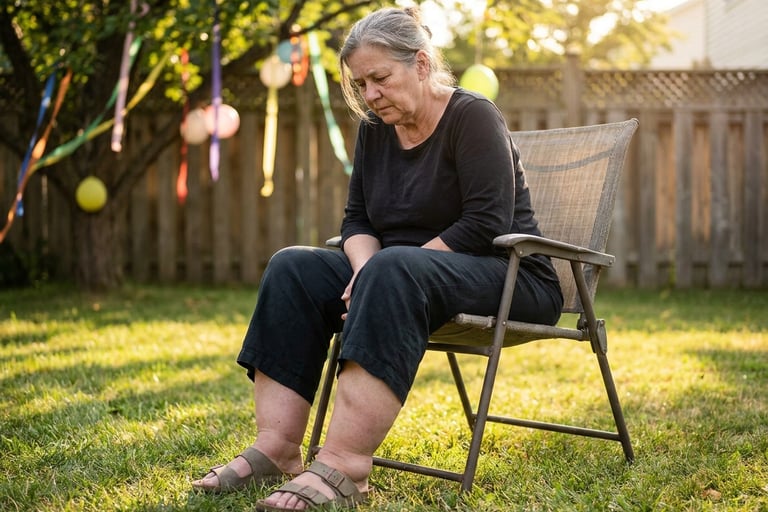
I made it eleven steps before I collapsed at her birthday party. A little boy pointed at me and said my legs looked like elephant legs. My granddaughter looked away. That was the moment I stopped accepting what doctors told me and started looking for something different. What I found changed everything.
Lymhedema.uk
© 2026 Lymhedema.uk — All rights reserved.
Explore
Legal
This site contains affiliate links. I may earn a commission if you purchase through my links, at no extra cost to you. Results shared on this site are individual experiences and are not guaranteed. Results may vary from person to person. The content on this site is for informational purposes only and is not intended as medical advice. Always consult a qualified healthcare professional before starting any new health protocol.